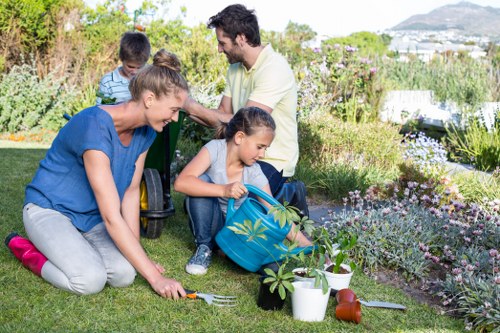
Gardeners Kings Cross: Recycling and Sustainability
Our
Gardeners Kings Cross team champions an eco-first approach to every site we tend. From community planters to private terraces, our aim is to create an
eco-friendly waste disposal area and a truly sustainable rubbish gardening area across King's Cross and neighbouring streets. We combine practical waste separation, reuse channels and low-carbon logistics so that every cut green waste or discarded pot is treated as a resource, not refuse.
Healthy soil, clean streets, and lower emissions are the yardsticks we use in every job.
What we mean by an eco-friendly waste disposal area
An eco-friendly waste disposal area is a small, clearly labelled zone on-site where materials are sorted at source: woody cuttings for chipping, green waste for composting, mixed garden plastics, and clean soil or stone separated for reuse. Our Kings Cross gardeners train teams to identify material streams quickly, reducing contamination and maximising recycling yields. We use
colour-coded containers and provide guidance on acceptable items so collections are swift and clean.
Recycling percentage target and tracking
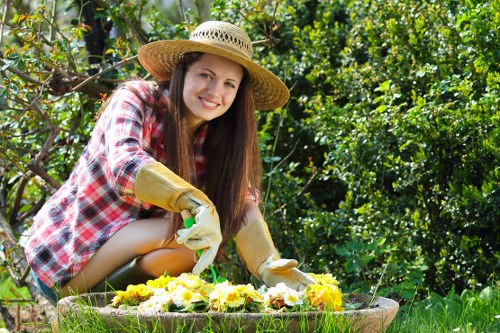
We set a bold recycling percentage target of
70% diversion from landfill within 24 months for all Gardeners at King's Cross projects. That target covers organic waste diverted to community or commercial composting, materials reused through charity partnerships, and recycling of plastics, metals and glass at local facilities. Monthly bin audits and quarterly reporting let us measure progress and refine practices so the target is pragmatic and achievable.
Sustainable rubbish gardening area — design and practice
Creating a sustainable rubbish gardening area means thinking about the whole lifecycle of materials. Our Kings Cross gardening services focus on waste minimisation (right plant, right place), on-site composting and mulching to keep nutrients local, and recovery channels for hard landscaping waste. By designing storage and handling into our garden workflows we cut double-handling, lower contamination and create tidy, efficient spaces that integrate easily with borough collection services.
Borough approaches to waste separation
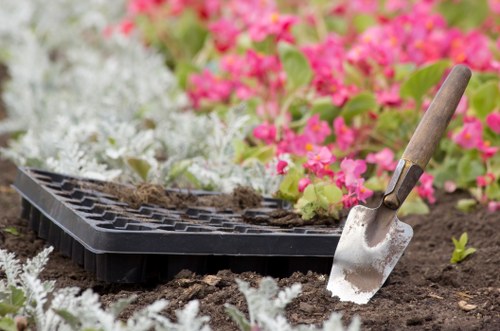
Across the boroughs surrounding King's Cross, including Camden and Islington, standard approaches promote separate streams for dry recycling (paper, card, plastic, metal), food/garden waste and residual waste. Our Gardeners in Kings Cross adapt to these local systems: we pre-sort on-site to mirror council kerbside rules, bag organics separately for food/garden collections, and ensure recyclable materials meet the boroughs' clean-recycling requirements. Working with collection timetables prevents overflow and supports the wider municipal recycling effort.
Local transfer stations and processing
We route material to nearby transfer stations and composting facilities to shorten transport distances and reduce emissions. Typical nearby facilities include transfer stations and recycling centres serving Camden and Islington boroughs. Where permitted, green waste goes to commercial composting or anaerobic digestion facilities; inert waste and hardcore are taken to designated transfer stations for recycling and recovery. This localised network keeps the carbon footprint small and processing times fast.
Partnerships with charities and reuse networks
Partnering with reuse charities is central to our sustainable rubbish gardening area. We collaborate with local reuse organisations and community groups to divert usable items — planters, soil, tools and surplus plants — from disposal. By donating serviceable pots and hard landscaping materials to charities or social enterprises we extend item lifecycles and support local initiatives. Our Kings Cross gardeners also work with community compost hubs so finished compost feeds public beds and allotments.
Low-carbon vans and low-emission logistics
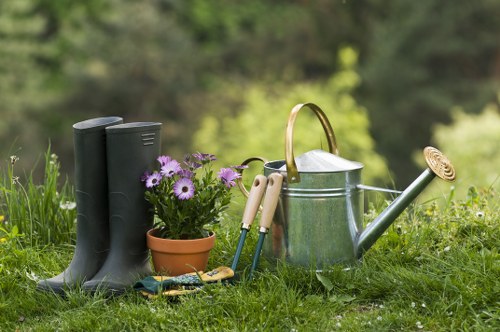
Transport is a big part of the story. Gardeners at King's Cross operate a fleet increasingly comprised of electric vans, plug-in hybrids and low-emission vehicles to reduce on-street pollution. Routing software helps minimise miles driven and consolidates jobs to reduce trips. Where heavy load-outs are needed we use Euro 6 engines and partner with local transport providers that prioritise low-carbon fleets, ensuring the logistics supporting our eco-friendly waste disposal area stay aligned with our sustainability goals.
Practical steps you’ll see on-site
- Source separation: woody waste, green waste, recyclables and residuals sorted before leaving site.
- On-site composting: small-scale compost bays or green waste collection for bulk composting.
- Reuse first: intact pots, soil and hard landscaping materials offered to charities.
- Low-emission collection: electric or hybrid vans for collection and delivery runs.
Our approach makes sustainable rubbish gardening visible and effective in everyday practice: tidy storage, clear labelling, and routes that link sites to local transfer stations and charities. Gardeners in Kings Cross are committed to reducing waste, raising recycling rates and delivering greener streetscapes for everyone.

